
Best
Online Roulette Sites in Canada
for 2026: One Number Changes the Math
We checked which wheel each operator actually spins first — single-zero or double-zero — because that one pocket is worth more than every bonus offer on this page combined.
The Wheels Worth Actually Sitting Down At
Same six operators we cover on our main high-roller rankings, re-ranked here for one thing only: whether European single-zero tables are the default in the lobby or something you have to dig for behind a wall of American doubles.



European vs. American Roulette: The One Number That Changes Everything
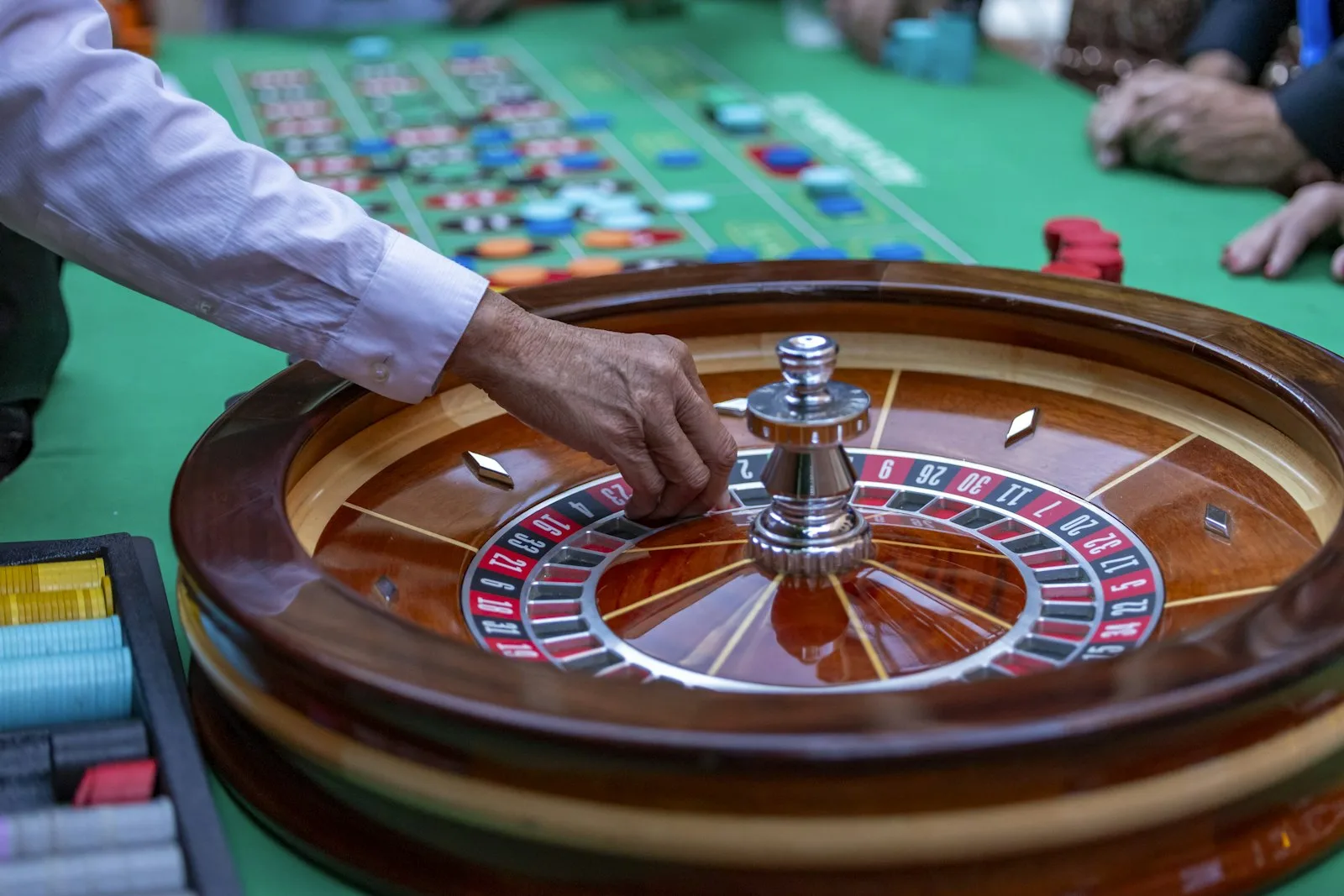
A European wheel has 37 pockets — zero through 36. An American wheel has 38, because it adds a second green pocket, 00, directly across from the first. That single extra pocket doubles the house's edge on every even-money bet: 2.70% on a European wheel versus 5.26% on an American one. Nothing else about the game changes — same numbers, same colors, same bet types — just that one green pocket sitting there collecting money nobody's betting on.
All six operators we checked run both versions somewhere in the lobby, but the DEFAULT table — the one that loads first when you click "Roulette" from the game menu — was European on four of the six and American on two. The other two make you scroll or filter to find the single-zero table, which is exactly the kind of thing that costs a casual player real money without them ever noticing.
Reading the Table: Inside Bets, Outside Bets, and What They Actually Pay
Inside bets are anything placed directly on a number or a small cluster of numbers on the felt — a straight-up single number pays 35:1, a split (two adjacent numbers) pays 17:1, a corner (four numbers) pays 8:1. Outside bets cover broader categories — red/black, odd/even, or a dozen of numbers — and pay less because they win more often: even-money on red/black and odd/even, 2:1 on a dozen.
None of this is secret math the way a video poker pay table is, since roulette's payouts are fixed by the bet type rather than by operator — a straight-up number pays 35:1 everywhere, full stop. Where operators actually differ is table minimums and whether they let you stack multiple outside bets into a "call bet" pattern (like covering two-thirds of the wheel) with one click instead of placing each chip manually, which matters more than it sounds like once you're playing fast.
Live Roulette vs. RNG Roulette in Canada
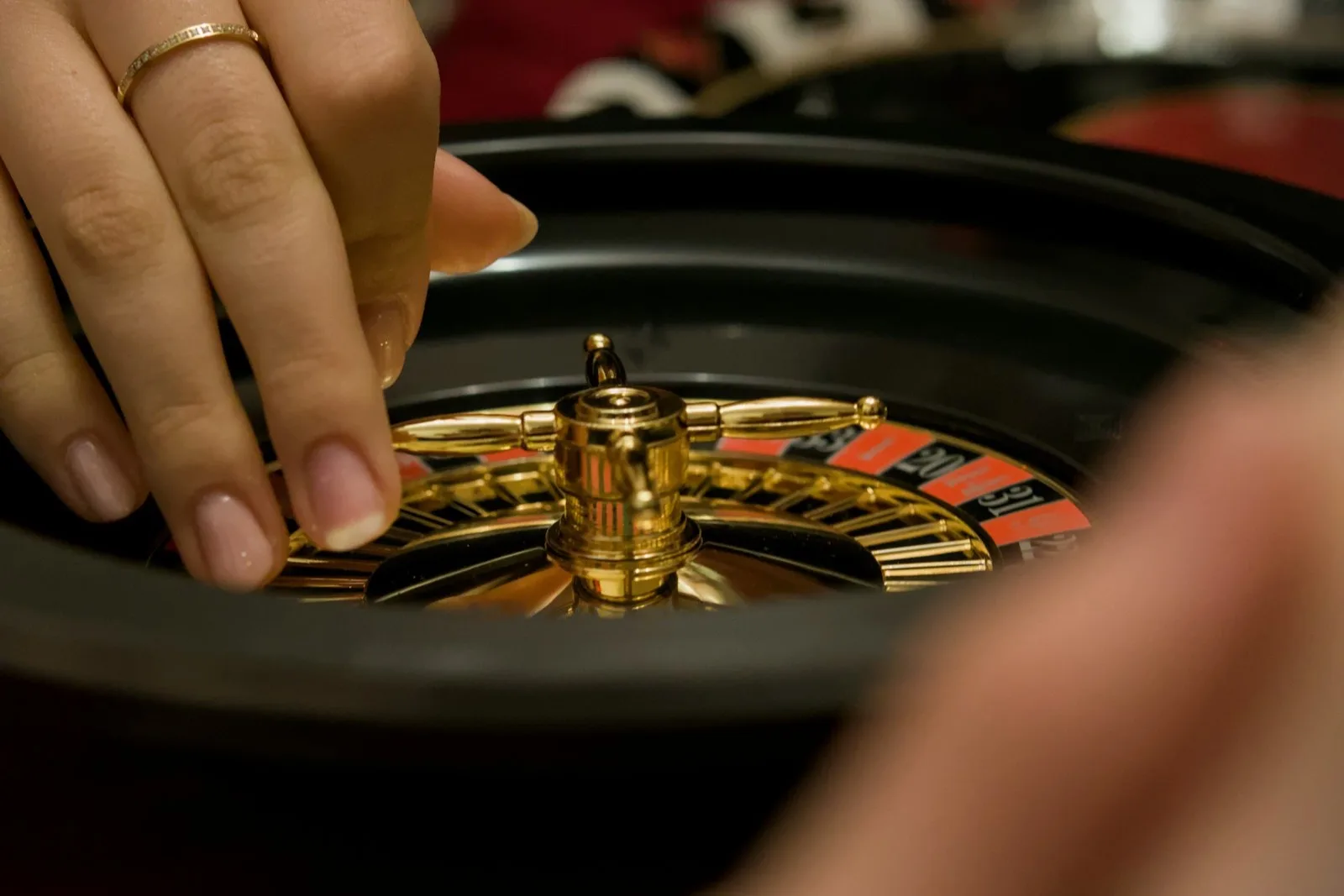
RNG roulette spins a virtual wheel through software — a result lands in one to two seconds, and you can play as many spins an hour as you can click. It's the faster way to rack up volume, and it's the only version where a "European wheel" toggle is guaranteed to be one click away rather than a different table entirely.
Live roulette streams a real wheel and a real dealer from a studio, same as the tables we cover in more depth on our live casino page. The wheel itself is almost always European in the live studios we checked — the double-zero American wheel barely shows up outside RNG tables, which is one more reason live tends to be the better default if you're not paying attention to which version you clicked into.
Betting Systems: Martingale, Fibonacci, and Why the Wheel Doesn't Care
Martingale — doubling your bet after every loss so a single win recovers everything — is the system most new players find first, and it works right up until a long losing streak either hits the table's max bet or your bankroll, whichever comes first. Six losses in a row on a $10 starting bet needs $640 for the seventh spin just to break even on the run. Fibonacci and D'Alembert scale the bet size up more gently after a loss, which slows the bleed but doesn't change the underlying math.
None of these systems touch the house edge, because the wheel has no memory — each spin is independent of the last, regardless of what a "hot" or "cold" number tracker on the table display suggests. What a betting system actually changes is the shape of your bankroll's ups and downs, not the odds of any individual spin. Worth knowing before you build a session around one, not worth avoiding the game over.
Table Limits: Where the Ceiling Actually Sits
Standard online roulette tables across the six operators we checked cap out in the $500–$1,000 per-spin range on outside bets, with straight-up number bets capped much lower relative to that — a $1,000 outside-bet ceiling might only allow a $25–$50 straight-up bet, since a hit at 35:1 on a high-limit number bet would be a bigger single payout than most tables are built to cover. High-limit roulette exists on every operator here, gated the same way the high-limit blackjack tables we cover elsewhere are — behind a verified deposit history, not a toggle in the lobby.
Where Canadian Roulette Law Actually Draws the Line
Ontario is the only province with its own licensed iGaming market. Everywhere else, players use offshore-licensed sites — Curaçao or the Kahnawake Gaming Commission, which has issued gaming licenses from Mohawk Territory in Quebec since 1996. There's no federal law that criminalizes a Canadian for playing on one; the Criminal Code targets unlicensed operators, not the players using them.
The Zero Is the Whole Game
Every roulette strategy conversation eventually circles back to the same fact: the only lever that actually moves your odds is which wheel you sat down at. A European single-zero table at 2.70% will always beat an American double-zero table at 5.26%, regardless of what you bet or how you size it — the operators worth playing are the ones that put that wheel in front of you by default.
Roulette gets treated as the simplest game in the lobby, which is mostly true — there's no strategy chart to memorize, no pay table to read before you bet. That simplicity is exactly why the European-vs-American question gets skipped over so often: it's the one number that actually matters, and it's buried in a lobby filter instead of posted on the table the way a blackjack limit or a video poker pay table is. We checked all six operators specifically for which wheel loads first, not just which one technically offers both.
Straight Answers on Online Roulette
RNG roulette runs on certified random number generators audited by third parties like iTech Labs or eCOGRA — we checked each operator's certificate before including it here. Live roulette removes the RNG question entirely since a physical wheel and ball are on camera for every spin.
European wheels have 37 pockets (0–36); American wheels add a second green pocket, 00, for 38. That extra pocket raises the house edge on even-money bets from 2.70% to 5.26% — same numbers, same payouts, just a worse table.
They change how your bankroll rises and falls, not the underlying odds — the wheel has no memory of previous spins. Martingale in particular can require a very large bet after a losing streak just to break even, and every table has a max bet that can cut the system off before it recovers.
A straight-up single number pays 35:1, a split (two numbers) pays 17:1, and a corner (four numbers) pays 8:1 — these are inside bets. Outside bets like red/black or odd/even pay even money; a dozen of numbers pays 2:1. Payouts are fixed by bet type and don't vary by operator.
Yes, outside Ontario's regulated market. There's no Canadian law that penalizes a player for using a Curaçao- or Kahnawake-licensed site — the Criminal Code targets unlicensed operators, not the people playing on them.
Yes, all six operators on this list accept CAD deposits through Interac or crypto and settle roulette winnings the same way. Free-play tables are also available on every site if you want to confirm which wheel version you're looking at before betting real money.