
Best Tether (USDT) Casino Sites in Canada for 2026: One Dollar, Two Different Fees
A USDT transfer can cost ten cents or ten dollars for the exact same amount. The difference isn’t the casino — it’s which blockchain you send it on.
Where Tether Actually Differs From Bitcoin and Ethereum
Same six operators from our main high-roller rankings, re-ranked here for the one question that actually applies to Tether: does the operator let you pick your network, and does it say so before you send anything.



Pick the Right Network: TRC-20 vs. ERC-20
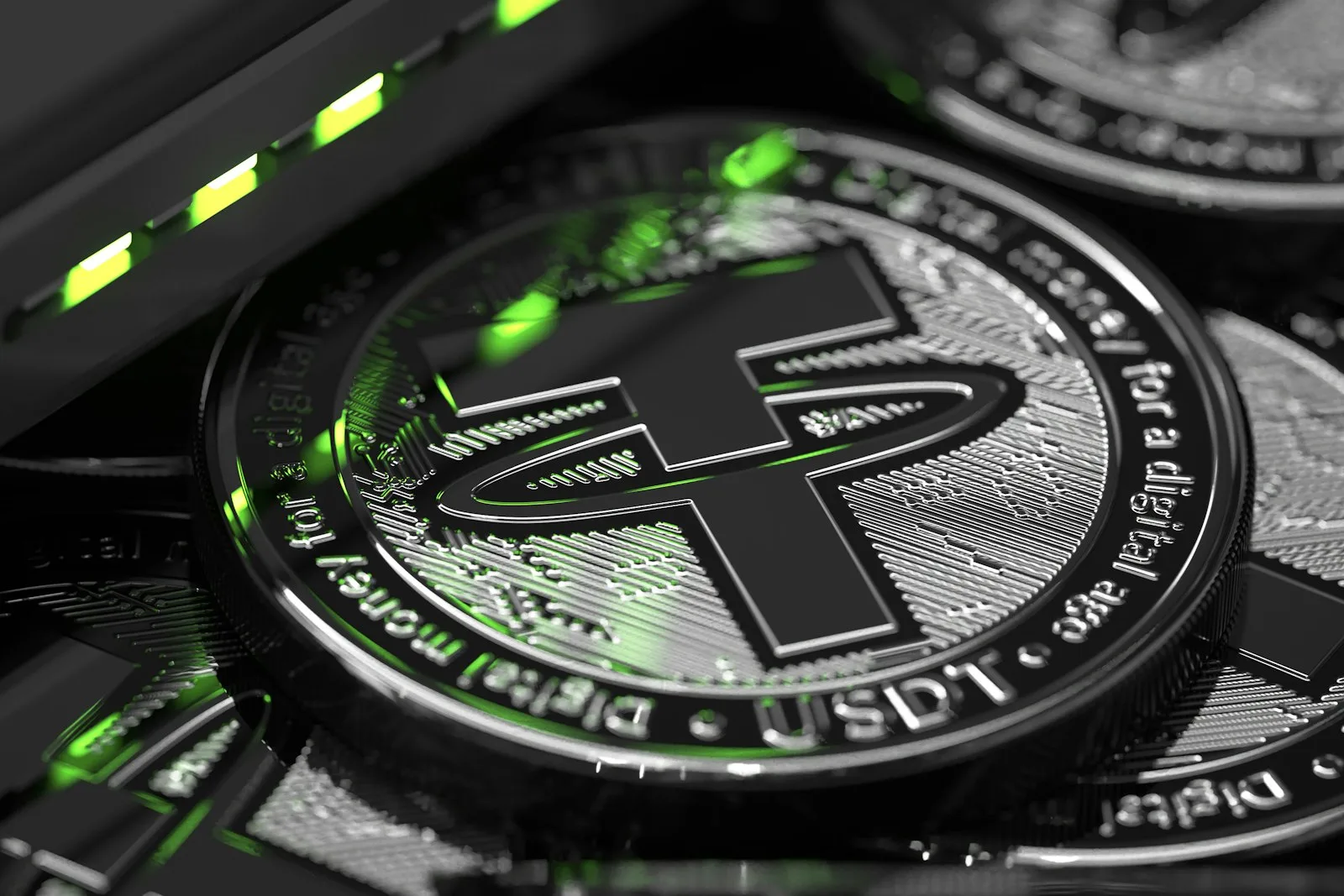
Bitcoin runs on one chain. Ethereum runs on one chain. Tether runs on several — most commonly Ethereum (as an ERC-20 token) and Tron (as a TRC-20 token), with smaller deployments on a handful of others. Both versions are the same USDT, backed by the same reserves, worth the same dollar. What differs is the fee to move them.
A TRC-20 transfer on Tron typically costs a fraction of a dollar and confirms in seconds, since Tron's fee structure was built around cheap, high-volume transfers. An ERC-20 transfer on Ethereum inherits Ethereum's gas market — a couple of dollars on a quiet day, well into the double digits during a congested one. Sending $50 in USDT can cost 2% of the transfer on one network and under 0.1% on the other.
The catch: you have to send and receive on the same network. A casino that only accepts TRC-20 deposits will reject or lose an ERC-20 transfer, and vice versa. Check which network an operator lists before choosing a wallet to send from — this matters more than which casino you pick.
What Actually Changes at the Cashier
This is the one coin on this site where the deposit isn't a currency conversion. Bitcoin, Ethereum, and Dogecoin all require converting CAD into a coin whose CAD value can move before you cash out. Tether skips that step — one USDT is built to equal one US dollar, so a $200 deposit stays a $200 balance regardless of what the broader crypto market is doing that day.
Casinos that accept USDT directly credit the account in USDT or convert it to CAD at a fixed 1:1-adjacent rate, since there's no meaningful spread to price in. The games themselves don't change — the same blackjack rules, the same slot math, the same withdrawal review queue as every other payment method on this site.
The Peg, and When It Slips
Every other coin on this site carries price risk — the swing between depositing and withdrawing. Tether trades that risk for a different one: whether the dollar peg itself holds. Tether Limited, the company behind USDT, publishes quarterly attestations of the reserves backing every coin in circulation — a mix of cash, cash equivalents, and short-term government debt. An attestation is narrower than a full independent audit, and that gap has drawn scrutiny from regulators and journalists for over half a decade.
In practice, USDT has held its peg through most market conditions, with brief exceptions during periods of extreme, sitewide crypto stress — moments when it traded a few cents below a dollar before recovering within days. That's a materially different failure mode than Bitcoin dropping 20% overnight. It's rarer, and it's tied to confidence in the issuer rather than to trading activity.
Beyond Tether: Bitcoin, Ethereum, and Dogecoin
All six operators on this list accept Tether alongside at least one other coin. Bitcoin carries the deepest liquidity and the widest acceptance. Ethereum confirms in seconds but charges a gas fee that moves with network demand. Dogecoin costs almost nothing to send but carries a lower withdrawal ceiling and a wider price swing. Tether is the only one of the four where the deposit amount and the withdrawal amount are meant to be identical, network fee aside.
Where Canadian Crypto Casino Law Actually Draws the Line
Ontario is the only province with its own licensed iGaming market, and it does not currently license crypto deposits the way offshore operators do. Everywhere else, players use offshore-licensed sites — Curaçao or the Kahnawake Gaming Commission, which has issued gaming licenses from Mohawk Territory in Quebec since 1996. No federal law criminalizes a Canadian for playing on one; the Criminal Code targets unlicensed operators, not the players using them. Holding or spending Tether isn't illegal in Canada — the CRA's disposition rules still apply to a USDT cash-out, the same as they would to any other asset.
A Dollar Balance, Not a Better Bet
Tether doesn't touch a single payout table on this site — every edge covered on blackjack, roulette, craps, video poker, and slots applies exactly the same whether the session started in CAD or USDT. What it removes is the price-swing math that comes with every other coin here, and what it adds is a network choice most players never think to check. Pick the cheaper chain, confirm the casino supports it, and the rest of the deposit is just a dollar figure moving through a different pipe.
Every other crypto page on this site ends with a volatility warning. This one doesn't need one — Tether's whole design is built to avoid that conversation. The trade-off is a different kind of homework: knowing which network you're sending on before you send anything.
Straight Answers on Tether Casinos
At a licensed operator, yes — the deposit is a standard blockchain transaction to a wallet address the casino provides. The main risk specific to USDT is sending on the wrong network; the transfer itself is otherwise no riskier than any other crypto deposit. Stick to operators licensed by Curaçao or Kahnawake, the same standard we apply across this whole site.
TRC-20 (Tron) if the casino supports it — the fee typically runs under a dollar and confirms in seconds. ERC-20 (Ethereum) works everywhere USDT is accepted but follows Ethereum's gas prices, which can turn a small deposit fee into several dollars during network congestion. Always confirm which network the casino's deposit address expects before sending — the two aren't interchangeable.
Usually under 30 minutes end to end. A TRC-20 withdrawal confirms on-chain in seconds; an ERC-20 withdrawal takes a few minutes depending on Ethereum network conditions. In both cases, the casino's own review queue is typically the slower half of the wait, not the blockchain.
It can slip briefly. USDT has traded a few cents below a dollar during periods of extreme market-wide stress, then recovered within days. Tether Limited publishes quarterly attestations of the reserves backing the coin, though an attestation is narrower than a full independent audit — a distinction regulators and journalists have flagged for years. It's a different risk than the price swings Bitcoin or Ethereum carry, tied to confidence in the issuer rather than trading activity.
Yes, outside Ontario's regulated market. No Canadian law penalizes a player for using a Curaçao- or Kahnawake-licensed site — the Criminal Code targets unlicensed operators, not the people playing on them. A USDT cash-out falls under the same CRA disposition rules as any other asset, separate from the legality of the gambling itself.
Yes — Bitcoin, Ethereum, and Dogecoin are accepted on most of the operators covered here. Bitcoin carries the deepest liquidity, Ethereum confirms faster with a variable gas fee, and Dogecoin costs almost nothing to send but carries a lower withdrawal ceiling and sharper price swings than Tether's fixed dollar value.